
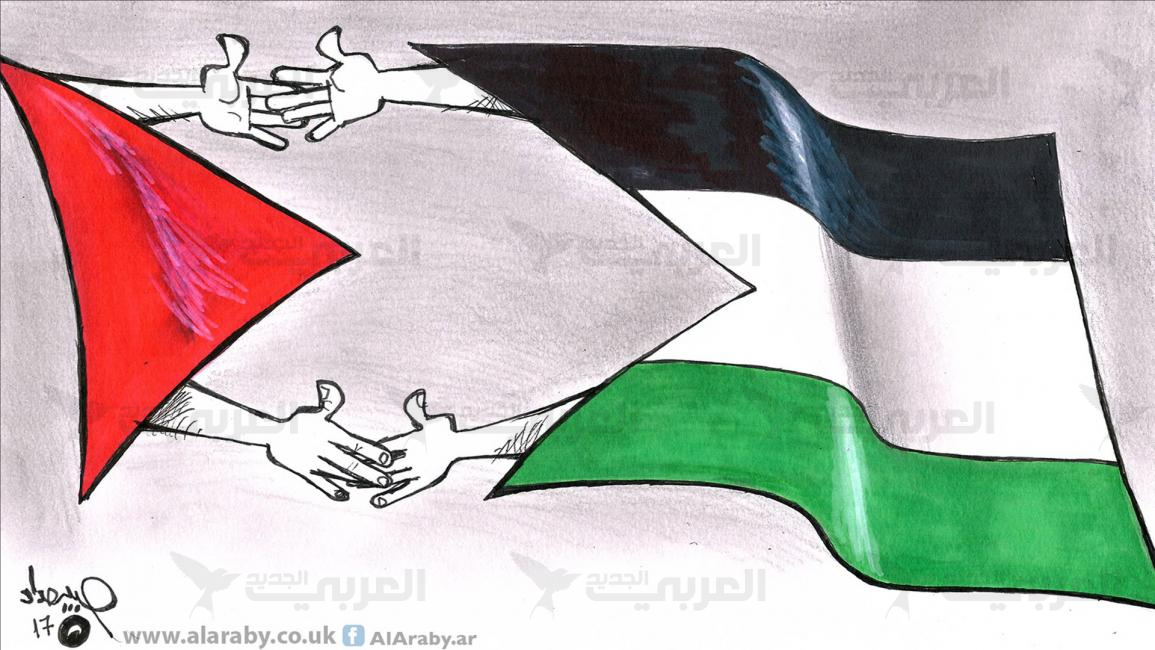

In what he calls “a grey, uncertain moment,” AlMasri asks the inevitable question: where do we go from here? Are we heading towards a new, diminished version of Oslo — an Oslo-minus or perhaps an Oslo-plus, or towards a kind of federation made up of a semi-sovereign Gaza alongside scattered, densely populated enclaves in the West Bank, cut off from one another, without Jerusalem and without any real signs of sovereignty? Or, he wonders, is there still a path to a genuine, independent Palestinian state?
He argues that, despite the unprecedented destruction the war has brought, it ended without a knockout victory for either side. “There was no decisive triumph for Israel and no definitive victory for the Palestinians,” he says, because victory would require at least one of three things: crushing an opponent’s will so it surrenders, occupying the other’s land, or inflicting catastrophic losses. None of those conditions has been met. What did happen, he insists, is that “the resistance held firm, it was not defeated, but it did not win; Israel also failed to achieve its main objectives, despite inflicting huge destruction and loss of life.”
To answer “where next?” Hani stops to examine key factors that brought the fighting to a halt.
Why the war paused — seven decisive factors
He sees seven interacting reasons the war stopped:
Between victory and defeat
Hani stresses that the resistance was not defeated, but did not secure its aims either. It survived and preserved its will, yet it did not force a guaranteed permanent ceasefire, a full Israeli withdrawal, a complete lifting of the siege, the clearing of prisons, the liberation of occupied territory, protection of holy sites, or a halt to settlement.
The war deepened Palestinian division, he adds, and attempts to end the cause through genocide and liquidation failed to succeed, even if they damaged the PLO’s sole-representative status and raised talk of a colonial “trusteeship” for Gaza without Palestinian representation. Nevertheless, the crimes committed — the mass killings, expulsions, starvation and the assault on Al-Aqsa — rekindled the Palestinian cause, restored its centrality in many Arab states, broadened global sympathy for the Palestinian narrative, and pushed near-universal support for recognition of a Palestinian state.
As for Israel, Hani writes, it failed to meet its objectives: it did not free prisoners by force, did not eliminate Hamas, did not achieve mass displacement of Palestinians, nor fully occupy and annex Gaza or the West Bank. The war revealed Israel’s internal fragility and dented the myth of an invincible army, not meaning total collapse, but showing dependence on the U.S. and suggesting that, without American backing, Israel might suffer a grave defeat.
AlMasri adds that Tel Aviv also failed in its attempt to “reprogramme Palestinian consciousness.” Despite the death and destruction, he writes, a powerful conviction has taken root; that Israel can, in fact, be defeated through determination, preparation, and organisation. No to mention the severe moral loss that Israel has endured internationally: “it appeared to the world as a rogue state committing genocide and ethnic cleansing,” while Palestine became a global banner for freedom.
The post-war phase
A ceasefire, Hani cautions, is not the end of the war but a potentially long truce, a dangerous transitional political phase that could go two very different ways.
Path one: “Oslo-minus”
This would be a return to a limited form of autonomy under international or regional guardianship, away from UN norms, for an extended transition while Israeli security control continues. It might take the form of a trusteeship or “board” like in the Trump plan, including Arab and international actors, and could result in either a “renewed” Palestinian Authority or a federal patchwork linking Gaza with some West Bank population centres — “without Jerusalem and without sovereignty.” This scenario becomes more likely with ongoing Palestinian division, lack of guarantees, and absence of binding regional and international intervention.
Path two: genuine statehood and independence
This, he says, is possible only if three core conditions are met:
Between Washington, Ramallah and Gaza
Hani observes the Trump administration’s effort to craft a new regional order that integrates Israel, blocks Chinese influence and leaves only crumbs for the Palestinians. He warns this project will fail unless Washington realises that a small Israel, unable to secure a military victory over a besieged Gaza, cannot lead the region. If the plan to reshape the Middle East on Israel’s terms fails , and he believes signs of failure are already visible, a real Palestinian opportunity could emerge, but only if the national movement renews itself in the people’s interest rather than capitulates to hostile conditions or accepts Zionist narratives for the sake of inclusion. Alternatively, a new national movement could arise that presents a unified project and the political courage to seize regional and global shifts rather than be subjugated by them.
So which road do we take?
Hani’s closing challenge is stark: the next phase will determine whether we head towards “Oslo-minus” or toward independence and statehood. Continued internal division and infighting will inevitably lead to the loss of the cause, at best producing a state stripped of sovereignty. By contrast, national unity, a common programme, a clear goal, an appropriate struggle and genuine partnership could open the path to a free, independent Palestinian state.
He concludes with a warning and a call: “Resistance without a unifying political goal is a gamble; politics without resistance is surrender. Between gamble and surrender there is a third way — national, revolutionary realism: confront reality in order to change it.”
The decisive question he leaves us with is: do we have the will and consensus to move towards independence and statehood, or will we repeat Oslo in a new guise?
….end of article.